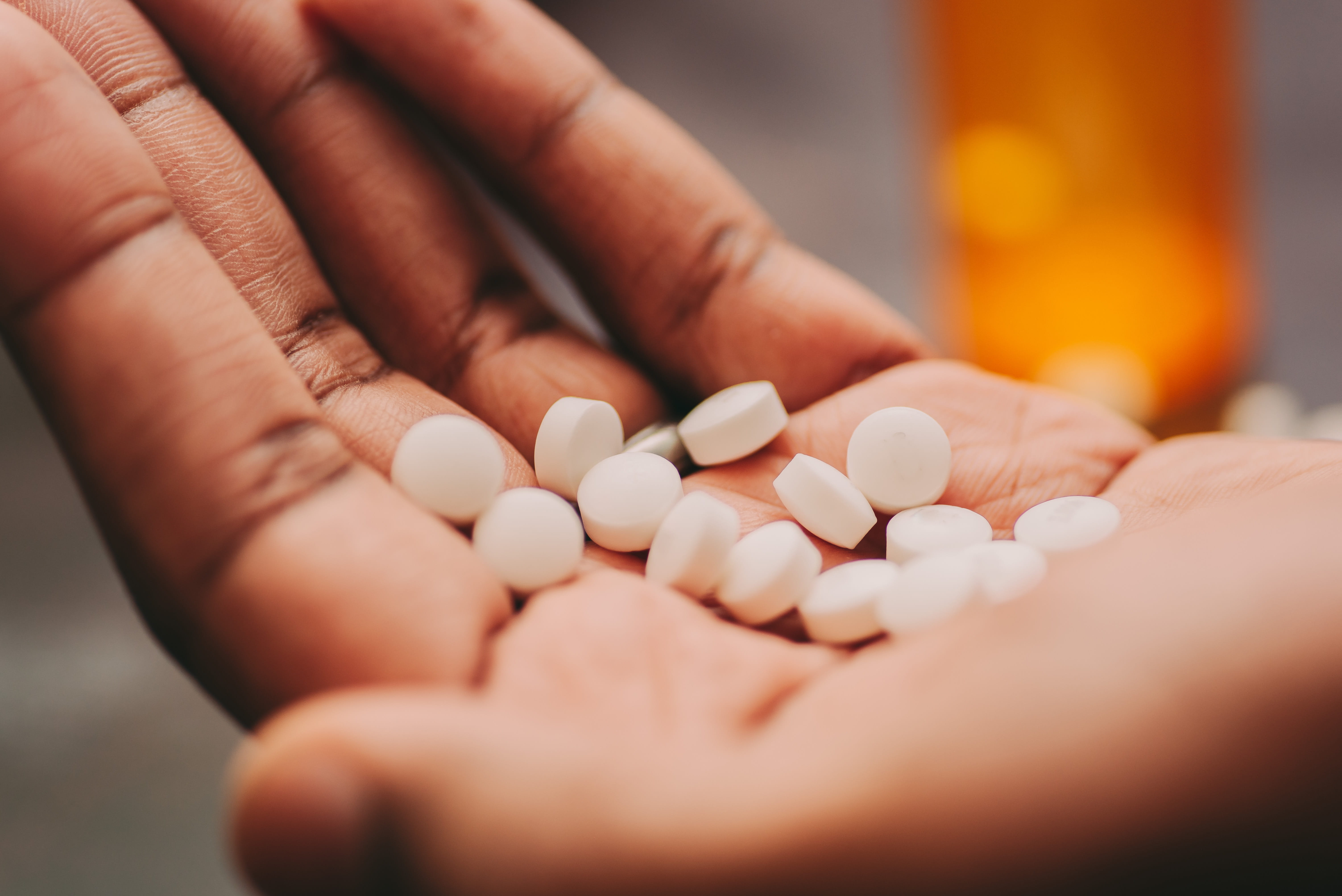
A Complete Guide to Buying Pharmaceuticals in France
France boasts one of the world's most extensive health care systems, mixing a robust pharmaceutical industry with available distribution networks that serve both citizens and visitors alike. Whether one is a long-term expatriate, a temporary visitor, or merely researching the French pharmaceutical landscape, understanding how to navigate this system can show important. The French method to pharmaceuticals combines historical knowledge with contemporary regulatory frameworks, producing an environment where safety, accessibility, and quality assemble.
Comprehending the French Pharmaceutical System
The French pharmaceutical industry stands as a foundation of the nation's health care facilities, operating under stringent regulatory oversight while maintaining widespread ease of access. L'Agence Nationale de Sécurité du Médicament et des Produits de Santé (ANSM) acts as the main regulatory body, making sure that all pharmaceutical items meet rigorous security and efficacy standards before reaching consumers. This regulatory framework positions France as a relied on source for pharmaceutical items within the European Union and beyond.
French pharmacies, known in your area as "drug stores" or "officines," serve as the primary circulation points for pharmaceutical items. Unlike lots of other countries where medications may be available through various retail channels, France keeps a pharmacy-centric distribution model that stresses professional oversight. Each pharmacy operates under the supervision of a certified pharmacist who bears duty for dispensing medications, offering counsel, and ensuring suitable usage. This structure indicates that when people buy pharmaceuticals in France, they access to professional assistance with every purchase.
The distinction between different medication categories plays a substantial role in the French system. Over the counter medications, described as "médicaments sans ordonnance," are readily available directly from pharmacists without a prescription. These typically consist of treatments for small conditions such as colds, allergies, digestive problems, and pain management. Prescription medications, or "médicaments sur ordonnance," require documentation from a licensed health care professional and involve more in-depth pharmacist assessment relating to usage, potential interactions, and monitoring requirements.
Where to Purchase Pharmaceuticals in France
The landscape of pharmaceutical retail in France extends beyond the conventional corner pharmacy, though the area pharmacy remains the foundation of circulation. Major cities boast numerous drug stores, often clustering near healthcare facilities, medical centers, and transit centers to maximize ease of access. Paris alone consists of hundreds of pharmacies, with lots of operating on prolonged hours to serve the capital's diverse population and tourist increase.
Physical pharmacy locations use instant access to pharmacists, the ability to take a look at items before purchase, and immediate satisfaction of prescriptions. A lot of French drug stores keep comprehensive stocks covering both branded and generic medications, though availability can in some cases vary between establishments. Drug stores in larger urban centers usually stock broader varieties of items, including specialized products and imported pharmaceuticals that might be less common in smaller facilities.
Online pharmaceutical buying has become a genuine enhance to standard drug store retail within the French system. Medic France operate under the very same regulative framework as their physical equivalents, requiring prescription verification for proper medications and maintaining the exact same professional requirements. This channel shows particularly important for individuals with movement limitations, those living in remote areas, or anybody seeking benefit without compromising security. When making use of online platforms to buy pharmaceuticals in France, customers should confirm that the seller displays the official French pharmaceutical order logo, verifying legitimate operation.
Hospital pharmacies serve a specific function, mostly giving medications to inpatients and providing specialized pharmaceuticals that might not be readily available through retail channels. Outpatients leaving French healthcare facilities might receive preliminary medication materials through healthcare facility pharmacies, with subsequent refills typically transitioning to community drug store services.
Regulatory Requirements and Documentation
Buying pharmaceuticals in France involves varying requirements depending on medication category and buyer status. For over-the-counter medications, documents requirements are minimal, though pharmacists may inquire about existing medical conditions or concurrent medications to guarantee appropriate suggestions. This expert query reflects the French drug store design's focus on consumer security over pure business deal.
Prescription medications need valid documents from licensed healthcare service providers. French prescriptions must consist of particular components: client identification, medication details, dosage guidelines, prescriber information, and prescription validity dates. Prescriptions from other EU nations usually get recognition within the French system, helping with cross-border health care continuity. Prescriptions from non-EU countries might require validation by French healthcare professionals before dispensing, a procedure that makes sure alignment with French treatment protocols and regulatory standards.
For travelers and momentary visitors, carrying individual medications needs suitable preparation. Paperwork including initial prescription containers, composed prescriptions from prescribing physicians, and possibly letters explaining medical requirement can assist in smooth transit through customs and subsequent drug store visits. Particular illegal drugs deal with additional constraints, and travelers must familiarize themselves with both French policies and their own country's requirements for transporting medications across international boundaries.
Expense Considerations and Reimbursement Structures
France's healthcare system provides considerable pharmaceutical cost coverage through a mix of nationwide health insurance and complementary systems. The compensation structure appoints medications to different coverage tiers, with important medications receiving greater reimbursement rates than non-essential or comfort-oriented items. This tiered technique ensures that life-sustaining and clinically required treatments stay accessible while keeping system sustainability.
For French residents and residents, the nationwide health insurance scheme generally covers between 15% and 100% of medication costs depending on classification. Chronic disease sufferers and individuals with specific conditions typically get enhanced coverage, sometimes reaching complete reimbursement. Complementary medical insurance, understood as "mutuelle," often covers the remaining portion together with any copayment requirements, decreasing out-of-pocket costs for insured people.
Visitors from EU countries gain from mutual health care contracts that provide access to France's healthcare system. The European Health Insurance Card (EHIC) or its post-Brexit comparable makes it possible for visitors to receive healthcare services, consisting of pharmaceutical provisions, under conditions similar to French residents. Non-EU visitors normally should bear full medication costs unless their travel insurance coverage supplies pharmaceutical protection, making comprehending prospective expenditures essential for financial planning.
| Medication Classification | Compensation Rate | Examples |
|---|---|---|
| Severe disease medications | 100% | Cancer treatments, insulin, post-transplant immunosuppressants |
| Significant long-term condition medications | 65% | Hypertension drugs, heart medications, diabetes treatments |
| Standard prescription medications | 30% | Common antibiotics, standard pain management |
| Over-the-counter medications | 0-15% | Cold treatments, basic painkiller, vitamin supplements |
Practical Tips for Purchasing Pharmaceuticals
Effective navigation of the French pharmaceutical landscape gain from several practical considerations. Developing a relationship with a regional pharmacy provides continuity of care, as pharmacists can preserve medication histories, determine possible interactions, and provide tailored recommendations. Many pharmacies keep client files, allowing quicker service for repeat prescriptions and much better coordination with recommended treatments.
When going to a drug store, showing up prepared streamlines the experience. Having prescriptions plainly formatted, understanding medication names (both brand and generic when possible), and understanding one's medical history enables effective pharmacist assessment. Language barriers can be attended to through numerous pharmacists' center with English, especially in tourist areas and major cities, though standard French pharmaceutical vocabulary can boost interaction.
Generic medications provide expense advantages without compromising quality or effectiveness. French pharmacists frequently substitute generic equivalents for top quality prescriptions unless doctors specify brand-only dispensing, a practice that reduces costs while maintaining therapeutic effectiveness. People with particular brand name requirements need to communicate these choices plainly to avoid unexpected replacements.
Regularly Asked Questions
Can travelers purchase prescription medications in French pharmacies?
Travelers can purchase prescription medications in French pharmacies supplied they have valid prescriptions from licensed doctor. Prescriptions from EU countries receive instant acknowledgment, while prescriptions from outside the EU might require French physician recognition before giving. Travelers ought to bring medications in original product packaging and bring documentation supporting medical need.
Are French drug stores open on Sundays and holidays?
A lot of French drug stores operate on standard organization hours Monday through Saturday, with reduced Sunday operations. Each locale keeps designate task drug stores ("pharmacies de garde") that offer Sunday and vacation services for urgent medication requirements. Responsibility pharmacy information is generally published at closed pharmacies, offered through regional newspapers, and accessible via telephone directories and sites.
How does one find an English-speaking pharmacist in France?
English-speaking pharmacists are more typical in significant cities, traveler locations, and areas with significant worldwide populations. Paris, Lyon, Marseille, and Nice normally have numerous pharmacies with English-fluent staff. When seeking English help, bigger drug stores and those near medical facilities or worldwide medical facilities use the highest probability of English communication.
Can medications be bought online from French pharmacies?
Genuine online pharmacies run within France, offering benefit while keeping regulatory compliance. These merchants need prescription verification for suitable medications and provide throughout France and often within the EU. Customers ought to validate legitimate operation by validating the presence of official regulative logos and checking registration with French pharmaceutical authorities.
What occurs if a prescribed medication is not available?
French pharmacists preserve comprehensive networks and can typically find not available medications through provider connections. If specific medications show genuinely not available, pharmacists speak with recommending physicians relating to suitable options providing comparable therapeutic advantages. This collective method ensures clients receive appropriate treatment even when specific products deal with supply interruptions.
The French pharmaceutical system represents a thoroughly balanced method to health care ease of access, integrating regulative rigor with professional pharmacy services to serve varied populations. Whether one is establishing residency, visiting momentarily, or just checking out pharmaceutical options within France, comprehending the system's structure and mechanisms makes it possible for notified decision-making. The pharmacy-centric design guarantees expert guidance accompanies every medication purchase, while the compensation structure maintains cost for residents and particular classifications of visitors. Just like any healthcare system, preparation and understanding facilitate ideal experiences, making familiarization with French pharmaceutical practices a worthwhile financial investment for anyone browsing this landscape.